In the past week, I mainly worked on implementing a simple interface for my program. I decided to take text inputs for skin type and beauty effects and use a button that returns the recommended products when clicked. To test my program, I collected more input data from participants. I will be using them in the upcoming week to validate my methods.
CS488 – Week 11
During the past couple of weeks, I made some good progress on my project. I now have a functioning driver file that the user will run to train or validate a model, or to predict from their input data. This has allowed me to tie up different parts of my software into one functioning project. I also have predictions working (big step) and am currently working on the best way for the user to view their results.
Week of march 23
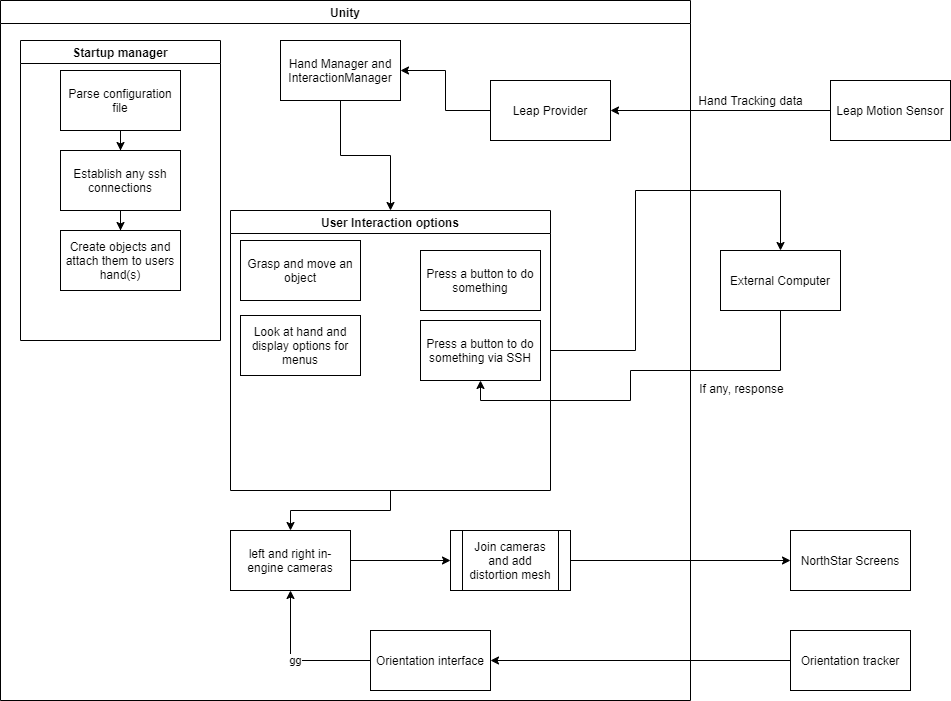
I’ve done some work on the configuration parser to enable to core of the project to work: allowing a user to generate a ui with functionality from a text file. All i’ve been able to do so far runtime wise is to have the user select whether they are using VR mode or AR mode. Backend wise, i’ve done a lot of setup of methods and variables and i’ve done the first tests with ssh and telnet (long story) integration which didn’t turn out like i wanted. Next on my list is to create the actual objects that the user defines and start hooking up the ability for said objects to do stuff.
CS488-Week10-Update
I spent this week on finishing up a very detailed proof that Parks is NP complete. I also worked on improving the exposition of ideas leading up to the main result in my paper, which really helped me with the software video.
CS 488 – Week 10
Did not get much to do due to the college shut down caused by corona virus. Hoping to get in touch with my advisor and figuring out the remaining schedule.
CS 488 – Week 9
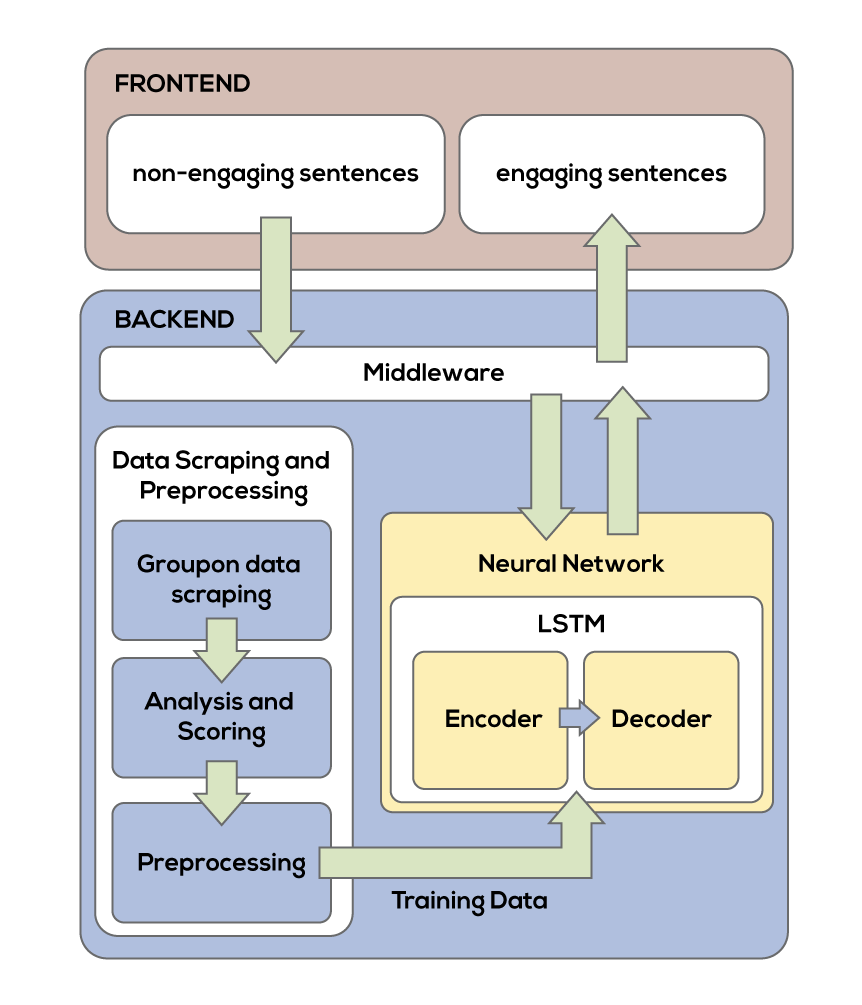
This past week I worked on my other model that uses both engaging/readable and non-engaging/readable advertisements, I found that this model does not perform well because of the lack of parallel data and sentence structures between the two different sentences. For the next week, I will work on refining my initial model as well as writing the frontend for the project.
Week of 23 March
I parallelized some of the python code.
I also rewrote the color processing code into C++. The C++ code for individually changing each pixel is 600 times faster.
I read up on how to make images of food look better and added more algorithms. I want to improve the algorithms/add more algorithms. They are currently not hooped up to the rest of the code.
Next I need to link the C++ code to my Python code, and find a way to to generate meaning full varaibles to pass the processing algorithms. I might rewrite and benchmark the cropping-and-retargeting code in c++ as well.
CS488-Week9-Update
I did not get to do much due to the various disruptions caused by Corona virus. I am currently working on getting things in order and figuring out meeting times with my adviser and whatnot.
CS 488 – Week 9
Working on the logout procedure and to be able to pull up books from the database correctly when the QR code is scanned. The profile page of the librarian and student needs some design elements since the users can view the profile page to see the history of books issued. Planning on working on the second video in the coming week.
CS388 – Week 8 – Update
I read more papers and started thinking about the proposal idea.
CS 488 – Week 1 – Update
My advisor: Xunfei Jiang
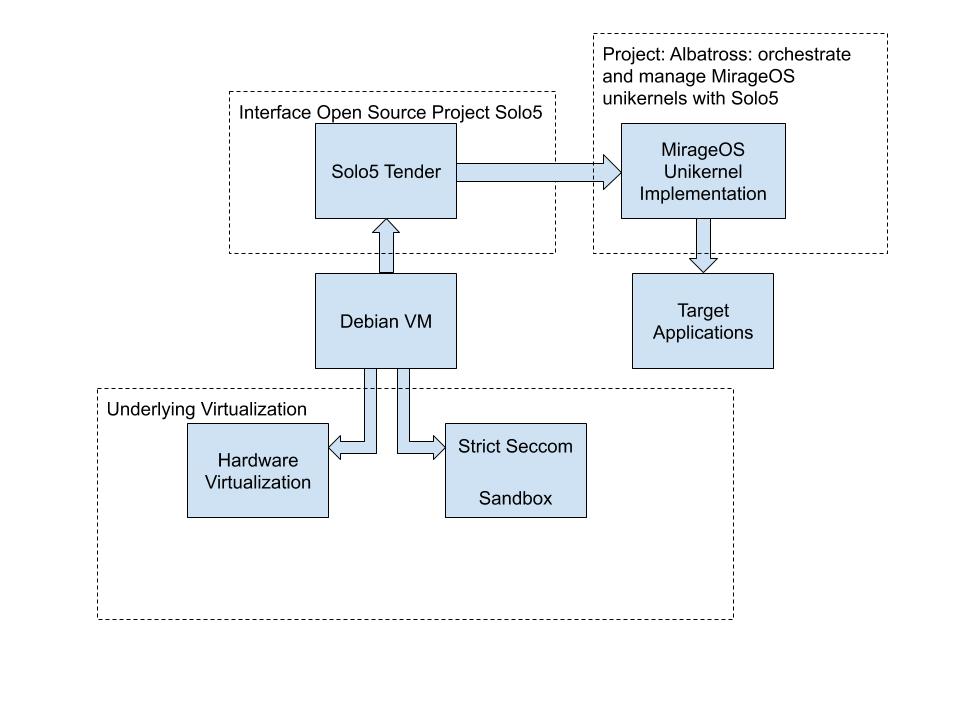
Set up a VM and I am installing Solo5 on VM
CS488 – Week 8 – Updates
The feature extraction module is finished (ready to use) now, but I am still stuck on the modeling module… The model I am using is called VGGVOX which is available on Keras. I am stuck on input pre-processing. The bug is on a function on BatchNormalization(). This function normalizes the activations of the previous layer at each batch. But the issue is not on this function, instead, it is on some deep layers of tensorflow innate functions… which i cannot modify. I am kind of lost which step is wrong exactly.
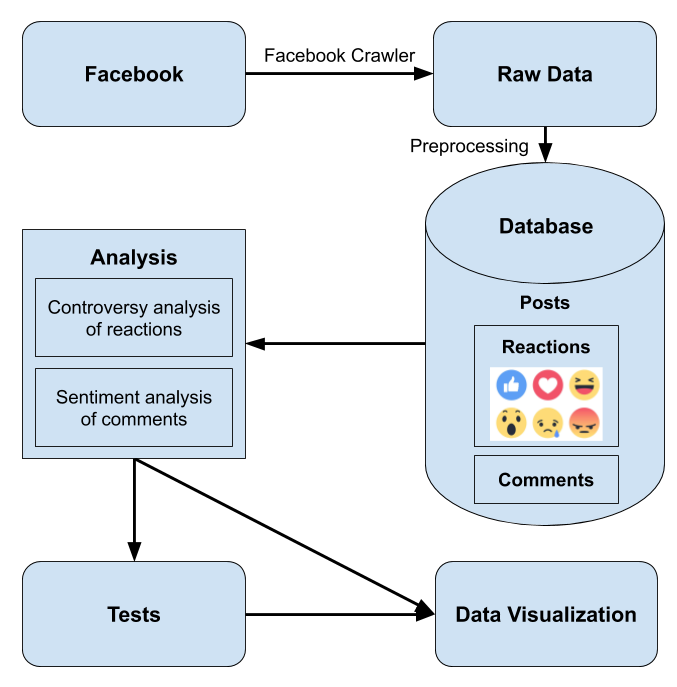
Project Description: Gender Bias Detection Using Facebook Reactions
Gender bias on Facebook might be measured by analyzing the difference in reactions on posts by women or men. My project is studying bias on Facebook pages of United States politicians using Facebook Reactions and post comments. Specifically, I am focusing on politicians running for US Senate in 2020. Data is being collected from Facebook pages of the politicians using a crawler and will be into a database.
The data will be analyzed by performing sentiment analysis on the comments and using an entropy function on the reactions for each post. The comment analysis is both focused on whether a comment contains more negative or positive words, and if it contains more personal or professional related words. My hypothesis is that female politicians may have comments directed at them that are both more negative, and more focused on personal issues. I am using an entropy function on the reactions to each post to measure how divided the reactions are. Related work used an entropy function on reactions to measure the controversy of a post. My hypothesis is that, in general, posts by female politicians will be more controversial than posts by male politicians.
Software architecture diagram

CS 488 – Succinct description
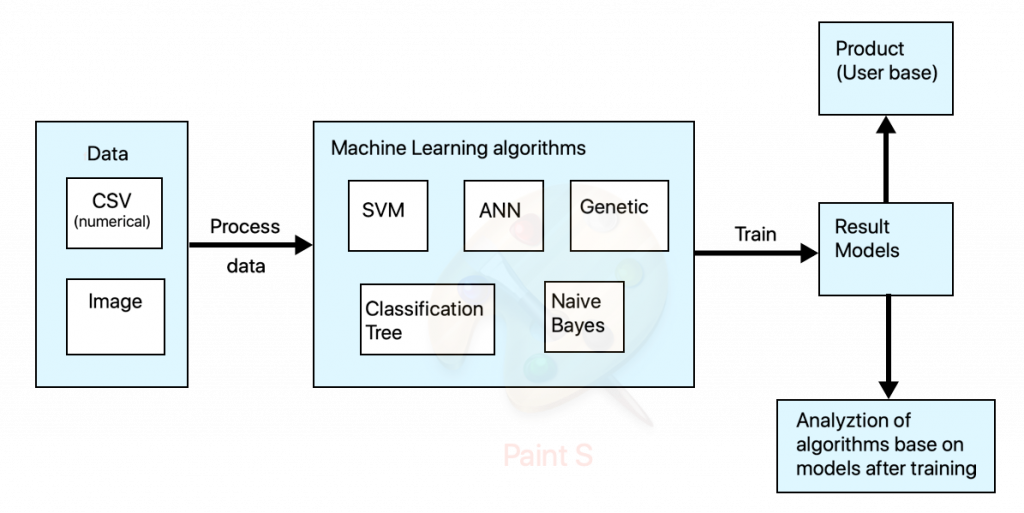
My project aims to develop models where we can predict the risk of having cancer based on both numerical data and image data. After training all the models, they will be analyzed to see which has the best accuracy and possible ideas to improve the accuracy. After that we can decide the best model to use if we want to predict the risk of having cancer.
CS 488 – Update – Week 8
Since I uploaded the architecture design last week, this will I will go back to posting the normal updates here – I have been slowly working on my second model that I will compare my initial mode to. I have not faced any obstacles yet except the learning curve that comes with learning Keras, but since Keras is well documented it does not take much time for me to figure out something that I am stuck in. In the upcoming week, I will keep working on the second model and plan to have it finished by the end of spring break.
CS 488 – Week 8

Week 7
I fixed the problem where all returned images look the same. I started looking into how to parallelize the code and learning photography techniques to make images better.
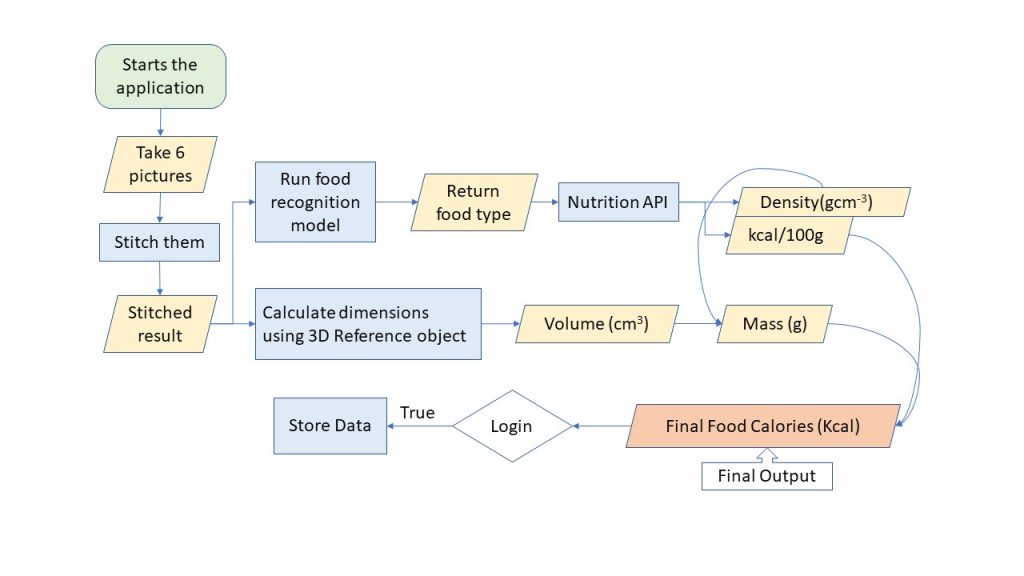
I have also made a more presentable diagram, which I will also use in my paper and poster.
CS 488 – Software Architecture Design
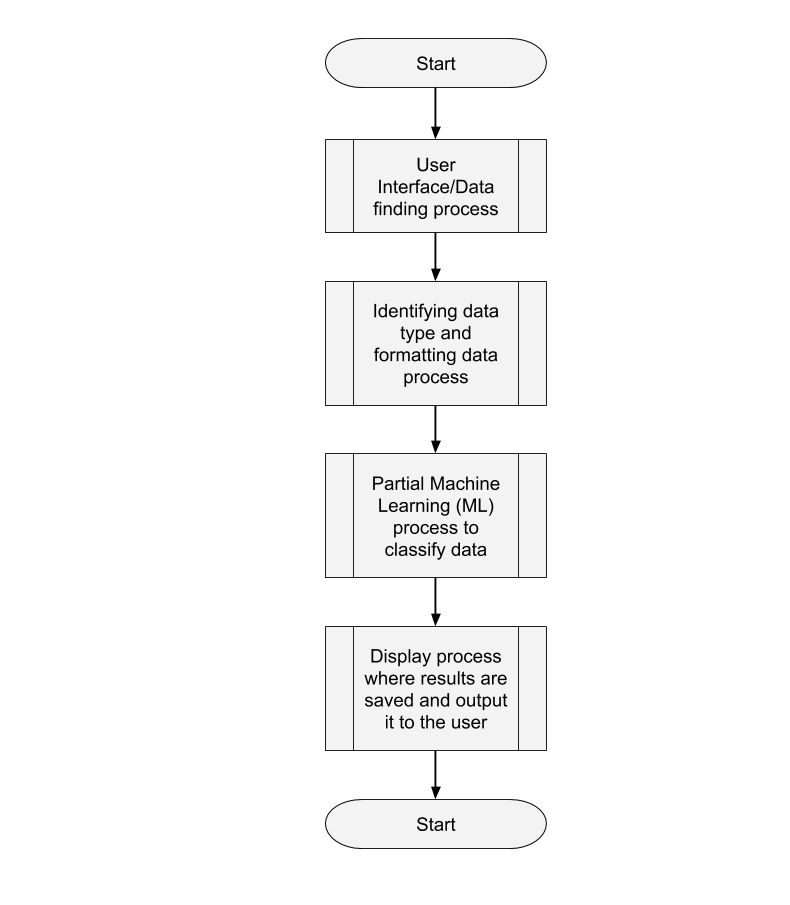
The overall design of the project:

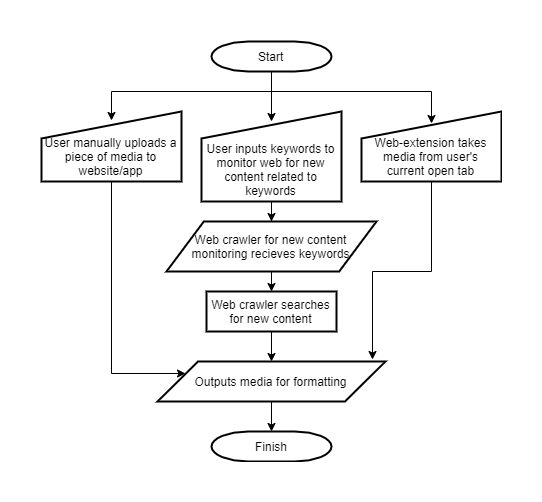
The design of the User Interface/Data Finding process:

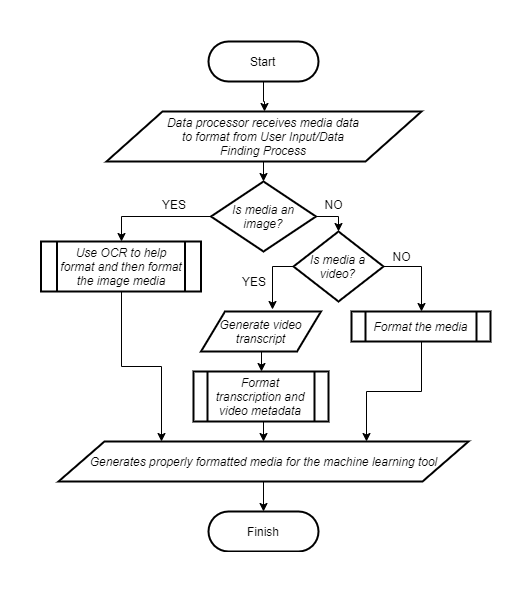
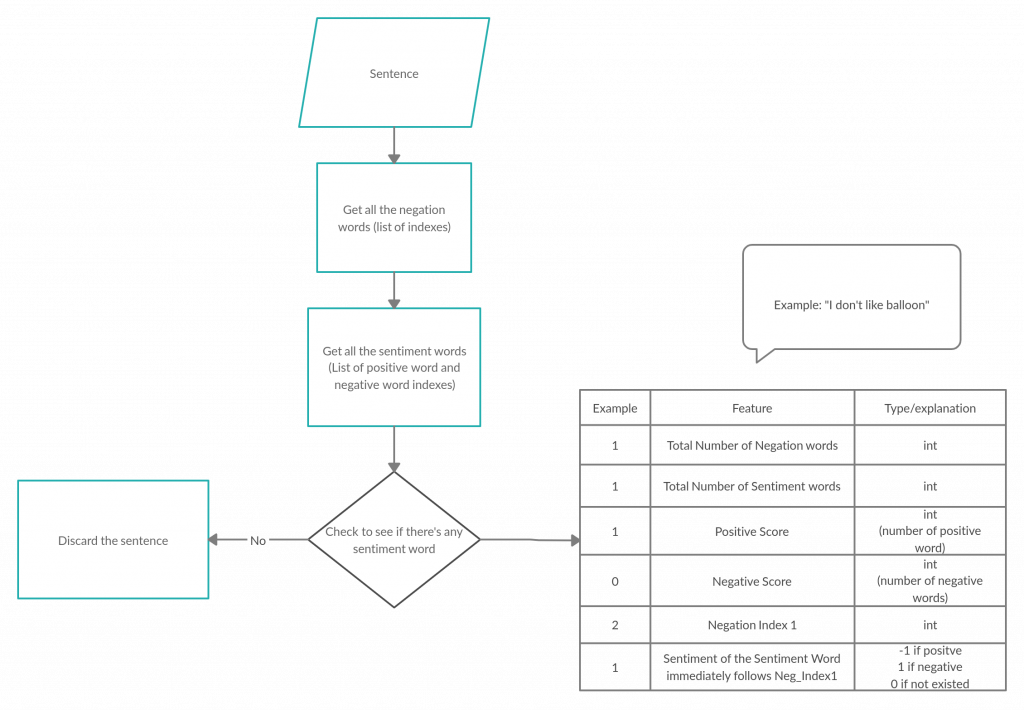
The design for the Data Formatting process:

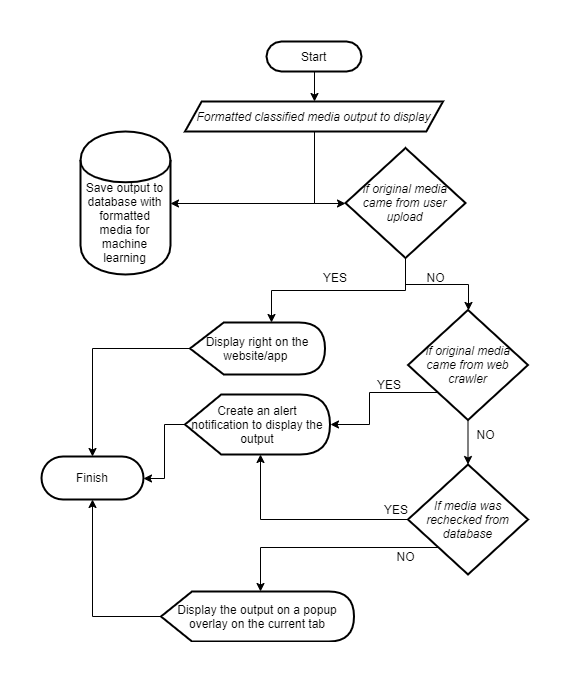
The design for the Displaying Results process:

The Partial Machine Learning process has yet to be defined as this is a new development in my project and there needs to be more research in the best way to create something that would allow me to easily add future scripts to the work.
CS488 – Elevator Pitch
Information informs our entire lives. Information shapes public opinion which shapes things like public policy, elections, the health and safety of the public, and more. No one is above the harm that can come from misinformation, which is why we need to fight against its spread.
Fake News as an area of research is relatively new and so some of the aspects are not very well researched, and new aspects to research pop up. Some existing problems in this research are that all of the solutions to these aspects are made in isolation, therefore no one solution can be used to find all instances of fake news, and that most solutions do not have an accessible, comprehensive user platform to disseminate their solution to the people.
This solution that I will provide will be a functional model of a user platform that demonstrates how an engaging and accessible one-stop-shop for fake news detection can work. It allows the user to interact in many different ways that require different levels of effort and is able to scale to include many different automatic detection methods.
CS 488 – Week 8 Update
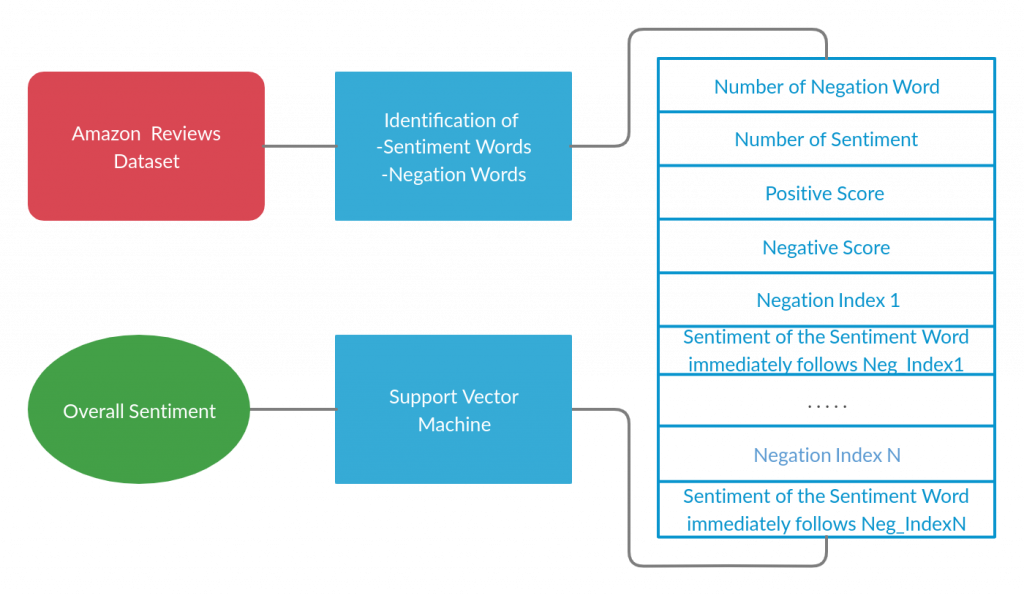
In the past week, I worked to finish implementing non content-based filtering which recommends products based on the user’s skin type and desired beauty effects. I was able to apply the concept of TF-IDF to judge which ingredients are heavily related to each beauty effect. Now that all my methods are working, I will implement widgets to the python notebook to create some sort of interface so that I don’t need to change the input each time. I will also start revising the paper and validating my method.
Software Pipeline


CS488 – Elevator Pitch
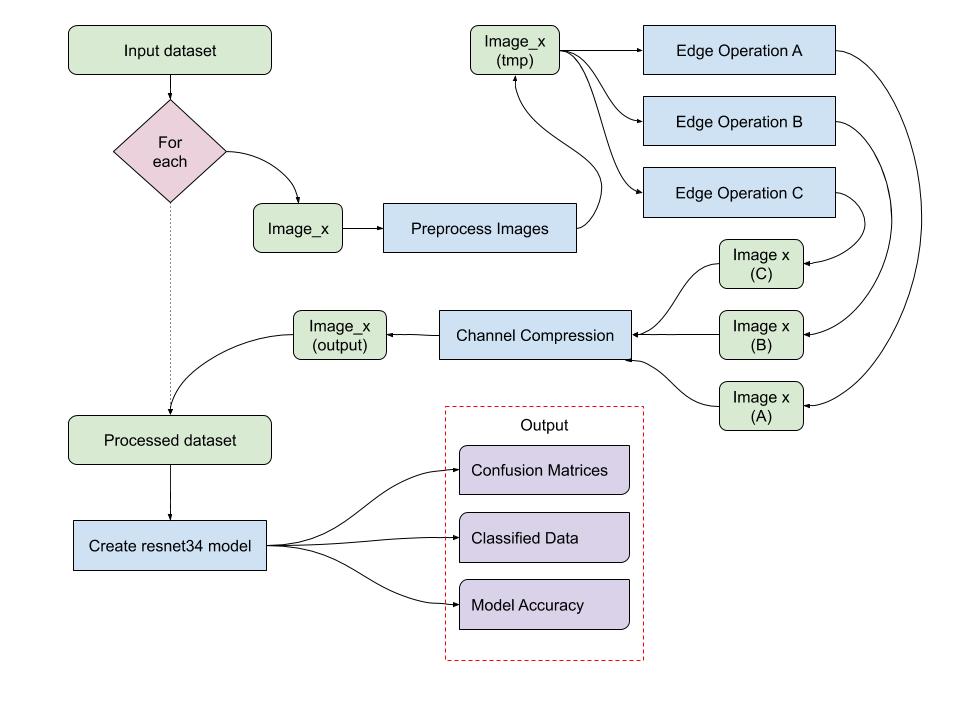
My project is about extracting features from images. Using low-cost collection techniques such as satellite imagery or drone surveys, a database of positive and negative cases can be created. Additional information will be extrapolated from each image in the database using a combination of modern algorithms and combined back into a single imager as different colored layers of a JPEG image. These processed images, the goal of which is to provide as much information as is possible, are used to train a machine learning model. Hypothetically, the additional information provided by the edge detection algorithms will enhance the accuracy and reliability of the machine learning model, reducing the need for expensive surveying equipment.
CS488-Week8-Update
I am currently working on a proof that non-contiguous kPARKS is NP-Complete. I am also mostly done with my paper.
CS488 – Software Architecture Diagram

Please click on the title above to view my flow diagram.
CS488 – Week 8
This week I focused more on refining my idea and how it would flow for a user, which then helped me to create a flow diagram for this week. During this process, I realized some flows in my code were inefficient, so I changed the flow of information through certain functions to match up with my flow diagram.
I created a validation function to test a loaded model and also an argument parser to make it easier to pass values for different and important variables into the code.
CS388 – Week 7 – Update
I have been working on writing the literature review for ten papers on the topic I chose, which is “Detect Chinese Text in Images”. I also sketched out the workflow for my project and discussed with my advisor about this.
CS388 – Week 6 – Update
I read another six papers and wrote the second annotated bibliography for my three ideas. After reading the papers for my three ideas and doing some research on the sources of datasets, I chose my first idea, which is “Detect Chinese Text in Images”, to be my research topic.
CS488 – Week 7 – Updates
I developed the feature extraction module for my project and it is working. It now converts a voice input file (.wav) to a sequence of acoustic feature vectors. I tested with my own voice. The two files of my voice recording produce two very different sequences of vectors. But I think we cannot tell my looking at these numbers. They are just a list of numbers of the .wav file. I am still having bugs on my modeling module. I followed Charlie’s suggestion to learn TensorFlow from the basic. I build and trained a model with TF’s dataset and it worked. But this is just a basic try. I will keep looking at it.
CS488 – Week 6 – Updates
Last week CS was down so I couldn’t post my week6 updates. I finally finished the environment setting for my modeling module code. I am using a model called VGGVox Models which are created by the same authors of the dataset I am using. I almost gave up this resource because it is written in Matlab which I have never used before. But then I found a python resource guiding me how to import this model. However, I am still having bugs running this model. It says the true_fn and false_fn have different data types. I tracked the error and found that the error is in TF innate files which i cannot modify. But I don’t know which step that I pass data incorrectly.
Elevator Pitch
My senior project is to develop a technology that provides higher performance and security for target applications. It is called unikernel which is an optimized library operating system. Unikernel consists of the minimum set of components that a target application requires from a complete operating system. Unikernel is light weight and has higher isolation than containers. It will be the trend of running environment for applications in many fields such as cloud computing and high performance computing in the near future.
CS488 – Week 7 Updates
In the past week, I worked on creating a survey to take inputs for content-based filtering, modified the skin type test questions, and obtained some responses. I also worked on implementing non-content-based filtering using TF-IDF which I am struggling with. I will be meeting with Xunfei on Thursday and try to finish this part as soon as possible.
CS 488 – Elevator Pitch
My project aims to create a skincare product recommender system based on the user’s skin type and ingredient composition of a product. The main component of the project is content-based filtering and the secondary component is non content-based filtering. For content-based filtering, a user provides his or her skin type and selects a skincare product from sephora.com. The system then identifies the chemical components of products and uses cosine similarity to recommend products that have similar ingredient compositions. 5 recommendations for each product category are then made and returned to the user. Non content-based filtering allows users not to input the product if they lack knowledge or have not found a product they like. A user provides his or her skin type and desired beauty effect to obtain top 5 product recommendations across all 6 categories.
CS488 – Elevator Pitch
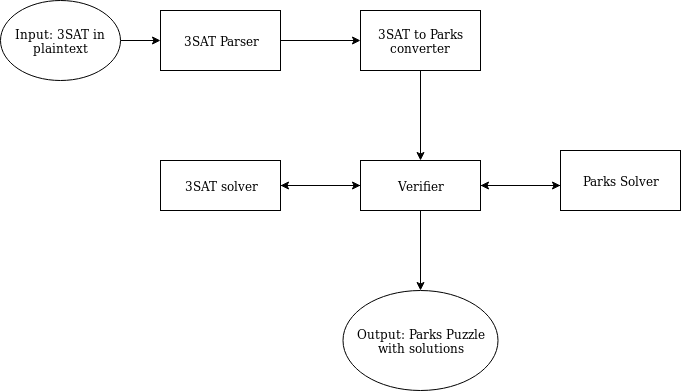
Parks Puzzle is a popular puzzle game that is played on a square grid. A Parks Puzzle consists of an nxn grid with contiguous regions known as parks. The aim of the puzzle is to place trees within parks such that every row, column, and park contains one tree, and no two trees are on squares that border one another. My senior proposal is to show that the associated problem of deciding whether a given configuration of a Parks puzzle is consistent with a solution or not, dubbed PARKS, is NP-Complete. This result lets us meaningfully state that the Parks Puzzle in general is an NP-Complete problem, and that it is highly unlikely that there exist any polynomial time algorithms for the problem. Since I have already found a proof, I am currently working on the kPARKS problem, which is the analogous problem of placing k trees in each row, column and park.
CS488-Week7-Update
Now that I have a proof for the parks puzzle, I am spending time working on a more general puzzle that we’ve dubbed kPARKS, which is the analogous problem of placing k trees in every row, column and Park. I am also working on writing the proof and the results that build up to the proof in a clean and concise manner.
CS 488 – Week 7 Updates
For this week, I worked on integrating pieces codes into an application. I completed login and register pages with sql database. Since I usually work on bowie and it is down, I decided to install all dependencies on my local VM. It took quite some time to figure out tensorflow gpu and cpu installations. I also worked on creating a video demo of my project.
CS488 – Week 7
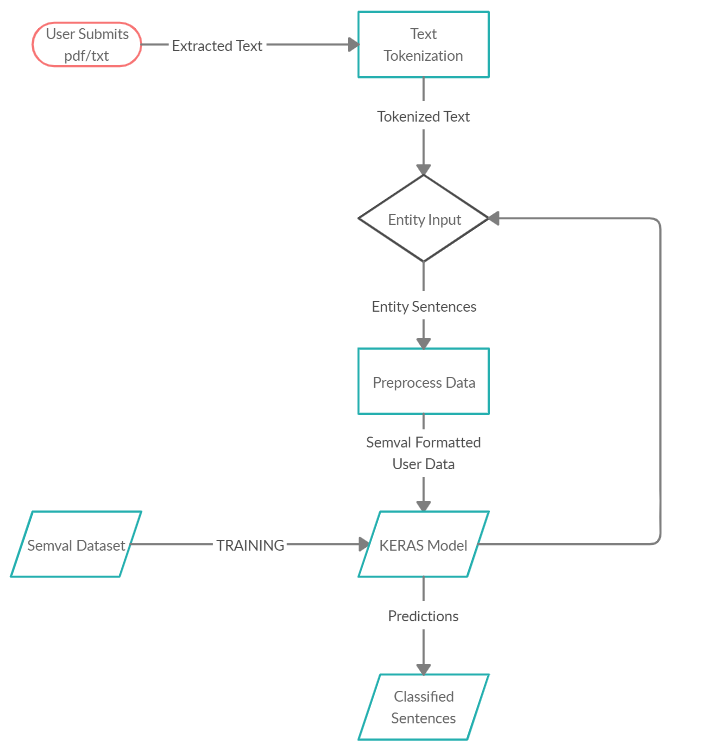
This week I began creating a model using the Keras Python library. I have been training it on the SemVal Task 8 2010 dataset, with accuracies of around 90% during training and 5 epochs and 60-65% validation accuracy. I was successfully able to save and reload the model.
I will be working on increasing the accuracy of this model in the coming week before applying it outside of its dataset.
CS488 – Elevator Pitch
My project aims to see how applicable semantic relation extraction models are outside of their dataset. Semantic relations are how we draw knowledge and facts from a text and no text is the same and when we research we usually look for these relationships regarding certain subjects in the text important to us. I want to see if a normal user can use state-of-the-art semantic models outside of their dataset to decrease the time needed to find specific knowledge about any entity in an unstructured text.
CS 488 – Week 7 – Elevator Pitch
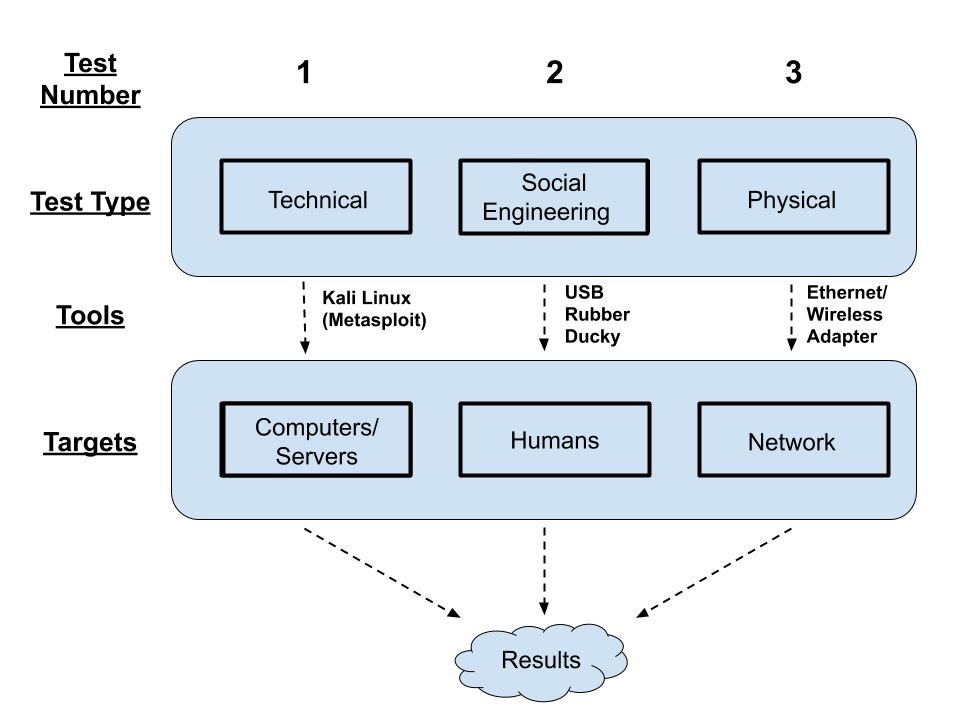
My project aims to develop a reproducible penetration test that can help secure a large network. Tests will come from three different avenues- physical and technical testing, as well as social engineering. The results from these tests will be put together in a final report and given to the appropriate people who can make appropriate changes as needed.
CS 488 – Week 6
— Elevator Pitch —
My project aims to use a sequence to sequence encoder-decoder model to make text-based advertisements more engaging and readable. This will help businesses get an edge over their competitors by attracting new customers as well as retaining their existing customers by making sure that their advertisements are readable and engaging to their target audience. This will be done through the analysis of pre-existing advertisements which will then be used to train the model on how to restructure sentences to make them more readable and engaging.
CS 488 – Week 7
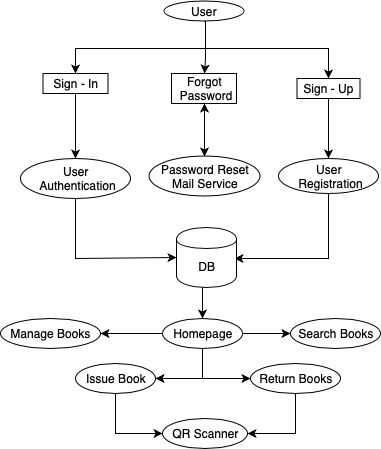
My project is an application used in a library to issue and return books using QR code. The primary usage of this app is in college libraries. Using personal smartphones, users can scan the QR code and check out the books which reduce human work and reduces the average time spent in the library. Users can also search for any book in the library and learn basic information rapidly.
The login data and book data is stored in a firebase database. The librarian application involves 3-4 staff users who can manage the flow of books through the app and when a fraud activity takes place they get notified.